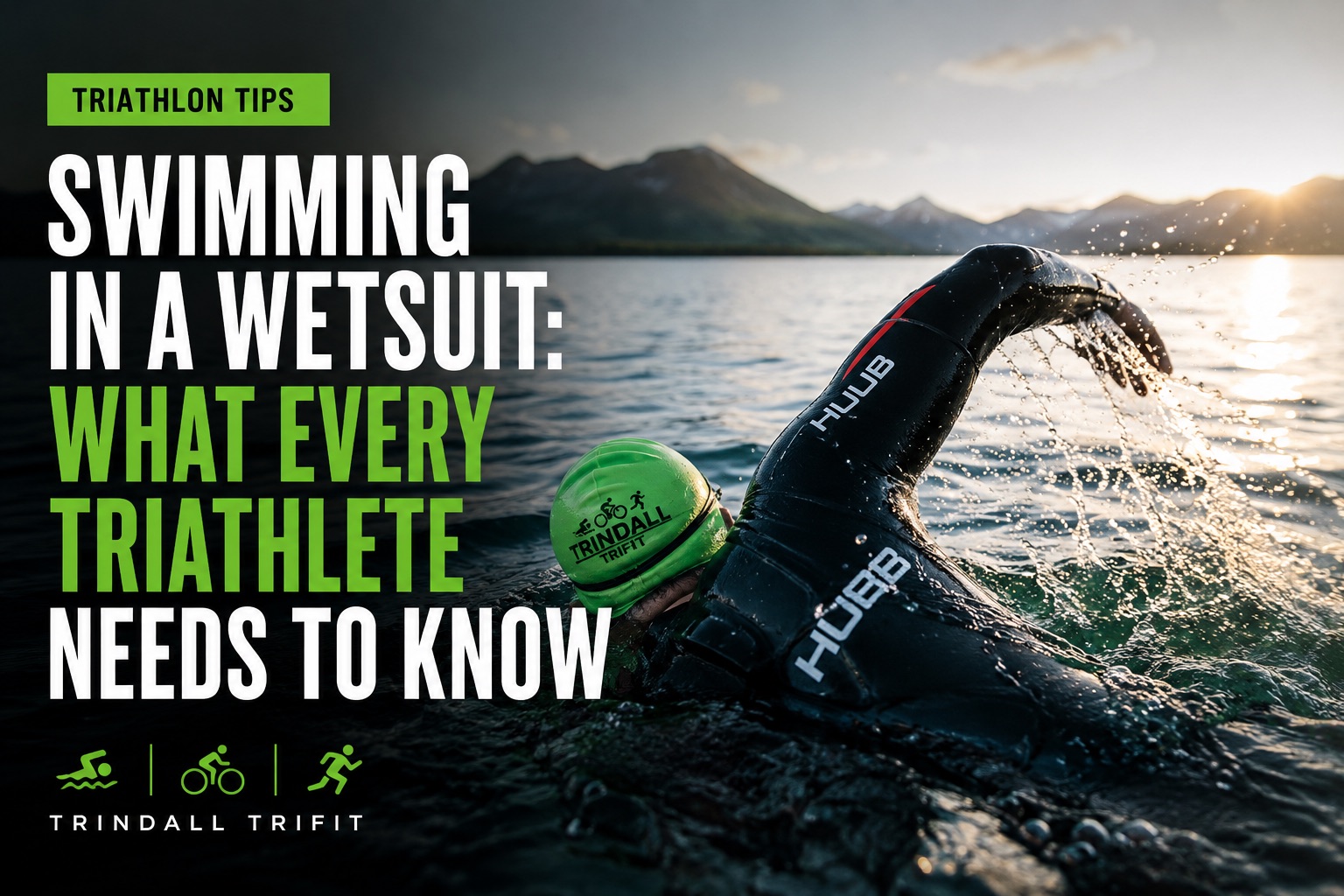
For many triathletes, race day is the only time they swim in a wetsuit. They train for months in the pool, build fitness and confidence, then suddenly find themselves standing on a beach wearing a tight layer of neoprene waiting for the start gun.
The good news is that a wetsuit can be one of your biggest advantages on race day.
A properly fitted triathlon wetsuit improves buoyancy, helps you maintain a better body position in the water, reduces drag, and can make swimming feel noticeably easier and faster. For many age-group athletes, simply wearing a wetsuit can save several minutes over the course of a race.
However, there is a catch.
Swimming in a wetsuit feels very different from swimming in the pool. Your breathing can feel restricted, your shoulders may fatigue more quickly, and if you've never practised in one before, the experience can be uncomfortable and even a little overwhelming.
As Ironman Cairns approaches, I've been reminded just how important it is to spend time training in your race-day gear. A wetsuit isn't something you want to wear for the first time on race morning.
I covered this recently in 3 Weeks to Go — Fitness Is Banked, Health Is Everything, where I described swimming 2,600m in a wetsuit in a 28°C pool to prepare for warm race-day conditions.
Whether you're preparing for your first sprint triathlon or your next Ironman, becoming comfortable in your wetsuit can make a huge difference to both your performance and your confidence in the water.
The goal isn't just to swim faster.
The goal is to start the bike feeling relaxed, controlled, and ready for the rest of the race.
Why Do Triathletes Wear Wetsuits?
The primary purpose of a wetsuit is to provide warmth and buoyancy in open water. Unlike a swimming pool, race conditions can include colder water, waves, currents and limited visibility.
A wetsuit helps counter these challenges by improving your body position in the water. Most triathlon wetsuits are designed with thicker neoprene panels through the legs and hips, helping lift the lower body and reduce drag.
For many age-group athletes, the wetsuit effectively gives them a "free speed" advantage without requiring any additional fitness.
The better your body position, the less energy you waste fighting the water.
Five Things That Surprise First-Time Wetsuit Swimmers
1. You Float Higher
The first thing most athletes notice is how much easier it is to stay on top of the water.
The extra buoyancy lifts your hips and legs, creating a more streamlined position. If you've ever struggled with sinking legs in the pool, you'll immediately notice the difference.
2. Breathing Feels Different
A wetsuit should fit snugly.
Because of this, some athletes initially feel restricted around the chest and shoulders. This sensation can cause anxiety if you're not expecting it.
The solution is simple: spend time swimming in your wetsuit before race day and focus on calm, controlled breathing during your warm-up.
3. Your Stroke Changes
The higher body position often changes how your stroke feels.
Many swimmers find they need slightly less kick and can focus more on a strong catch and pull through the water.
This is one reason why practising in your wetsuit is so important.
4. You May Overheat
Standing around on the beach wearing a wetsuit before the race can quickly raise your body temperature.
Try to stay in the shade where possible and avoid putting the wetsuit on too early.
Race-day comfort starts long before the swim begins.
5. Removing It Takes Practice
A wetsuit can help you swim faster but it can also cost you valuable time in transition if you haven't practised removing it.
After open-water training sessions, rehearse stripping the wetsuit off quickly and efficiently. Like any other triathlon skill, transitions improve with practice.
Choosing the Right Wetsuit
Not all wetsuits are created equal.
The best wetsuit isn't necessarily the most expensive one — it's the one that fits properly.
| What to Look For | Why It Matters |
|---|---|
| Snug fit without restricting breathing | Loose suits fill with water and add drag |
| No large gaps under arms, neck or knees | Gaps cause chafing and reduce buoyancy benefits |
| Full range of motion through shoulders | Restricted shoulders lead to early fatigue |
| Comfortable for the full swim duration | Discomfort affects pacing and mental focus |
A poorly fitted wetsuit can cause chafing, shoulder fatigue and unnecessary discomfort.
When trying on a wetsuit, remember that it will feel tighter on land than it does in the water.
Wetsuit Training Plan Before Race Day
If you're racing in a wetsuit, aim to complete at least a few sessions in it before your event. These don't need to be long.
| Session | Focus | Duration |
|---|---|---|
| 1. Comfort Swim | Breathing and body position | 20–30 min easy |
| 2. Race Start Practice | Short bursts at race pace, then settle | 20–30 min |
| 3. Open Water Simulation | Sighting, turning around buoys, group swimming | 30–40 min |
| 4. Full Race Rehearsal | Complete swim + quick transition to bike | Race distance |
The goal is to make race day feel familiar. No surprises.
Common Wetsuit Mistakes
Over the years I've seen athletes make the same mistakes repeatedly:
- Wearing a brand-new wetsuit on race day
- Buying a wetsuit that is too large
- Not practising sighting in open water
- Swimming too hard in the first 200 metres
- Failing to practise wetsuit removal
- Standing in the sun for extended periods before the race
Avoiding these simple mistakes can make your swim far more enjoyable.
If you're interested in understanding how to control your intensity during the swim, check out the Complete Guide to Triathlon Training Zones — getting your pacing right from the first stroke makes a massive difference.
Race-Day Checklist
Before entering the water:
- ✅ Check your wetsuit for any tears or damage
- ✅ Apply anti-chafe lubricant around the neck and underarms
- ✅ Complete a short warm-up swim if permitted
- ✅ Focus on long, relaxed breaths before the start
- ✅ Start conservatively and allow yourself time to settle into rhythm
For a full race-day preparation list, download the Race Day Checklist from the free resources page.
Remember, the swim is only the first part of the day.
A calm, controlled swim often leads to a much stronger bike and run.
Final Thoughts
A wetsuit is one of the most valuable pieces of equipment a triathlete can own.
Used correctly, it can improve confidence, increase speed and help conserve energy for the remainder of the race.
But like any piece of race equipment, it should be tested and practised before race day.
The more comfortable you become in your wetsuit during training, the more confident you'll feel standing on the start line.
And when the gun goes off, that's one less thing to worry about.
Instead, you can focus on what really matters — enjoying the experience and swimming your best race.
Looking for more swim, bike, and run resources? Browse the free resources page or check out the Gear Guide for recommendations on essential triathlon equipment.
Want personalised guidance on your race preparation? I'm offering a free 30-minute training review for masters athletes.